
Unlocking Inverter Efficiency: Airzone Brings BACnet and Smart Automation to Durastar HVAC Systems
The building automation industry has long struggled with a specific integration bottleneck: connecting high-efficiency inverter HVAC units to third-party control systems without compromising their advanced variable-speed functionality. A recent announcement from Airzone Control changes the dynamic for Durastar HVAC systems, bringing native Building Management System (BMS) integration to their ducted and ductless product lines.
Validated across Durastar’s DRADH, DRAM, DRUM, DRAL, DRAC, and DRAW models, Airzone’s Aidoo Pro and VAF platforms now deliver advanced remote monitoring, multi-zone climate management, and smart building integration. Most importantly, this communication bridge allows commercial operators and system integrators to tap into modern IoT capabilities while preserving the deep energy efficiencies of inverter technology.
Solving the Inverter Integration Dilemma
Inverter HVAC systems offer superior energy efficiency and thermal performance compared to traditional single-stage units. However, directly connecting these sophisticated systems to a standard smart thermostat or legacy building automation network typically degrades them to single-speed operation. This bypasses the variable-speed compressor logic, essentially crippling the unit’s efficiency, increasing wear, and raising energy costs.
Airzone’s new compatibility with Durastar units bridges this critical gap. By leveraging an exclusive library of certified manufacturer protocols, Airzone enables true bi-directional communication between the HVAC equipment and the overlaying control system. This ensures that Durastar units retain their full inverter capabilities, including precise setpoint control, variable speed adjustments, and localized manufacturer diagnostics.
Flexible Deployment: Aidoo Pro and VAF Systems
For smart buildings requiring dedicated 1:1 unit control, the Airzone Aidoo family provides a robust interface. The Aidoo Pro line—including the Aidoo Pro STI—allows seamless 24V integration with leading smart thermostats and broader building automation systems. Beyond simple temperature adjustments, it offers professional monitoring and error code reporting, which are vital for remote maintenance.
For larger commercial applications requiring multi-zone climate control, Airzone’s VAF system delivers a fully integrated zoning solution. The VAF stack includes a control board, motorized dampers, single-zone control modules, and the Webserver HUB. Crucially for system architects, the Webserver HUB connects the entire VAF ecosystem to a central BMS utilizing industry-standard protocols, offering robust BACnet, Modbus, Wi-Fi, and Ethernet support.
Elevating HVAC Data with Cloud-Based Automation
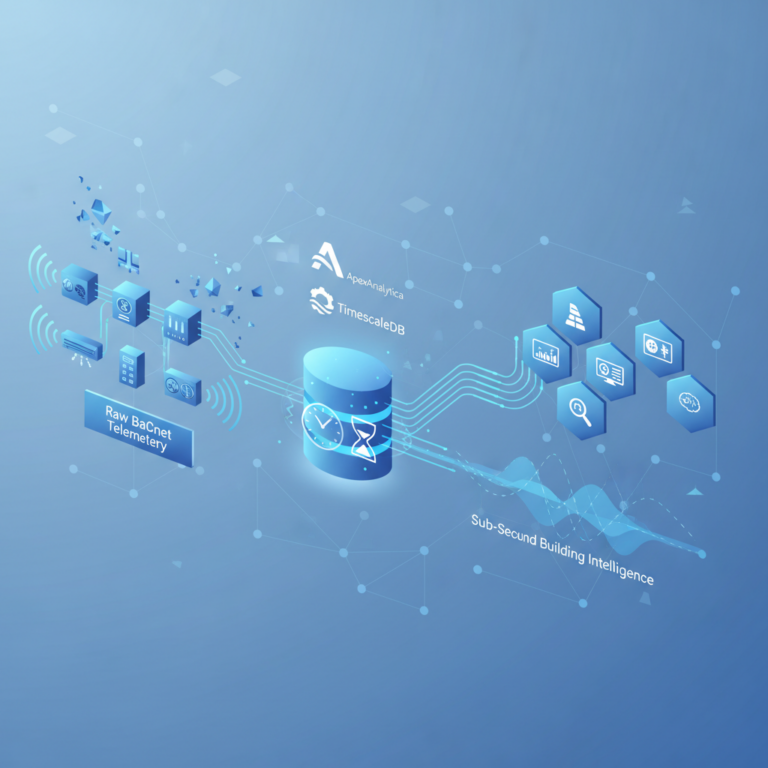
Extracting rich diagnostic and operational data via BACnet is only the first step in a smart building strategy. To truly optimize energy efficiency and occupant comfort, this telemetry must be aggregated, monitored, and acted upon intelligently in real time.
This is where modern cloud ecosystems step in to bridge the gap between field hardware and facility management. By connecting BACnet-enabled systems like the Airzone VAF to a comprehensive platform like BAaaS.io, operators can unlock a centralized “integrated building information sphere.” BAaaS.io ingests real-time HVAC telemetry, automates environmental adjustments based on live occupancy data, and drives proactive maintenance workflows to prevent equipment failures before they disrupt tenants.
Conclusion
The integration between Airzone and Durastar represents a significant step forward for smart buildings, ICS security, and energy optimization. By preserving the native efficiency of inverter compressors while opening up the data layer to modern BMS platforms via BACnet, integrators can finally deliver uncompromised climate control.
As building automation requirements grow increasingly complex, these native, protocol-rich integrations will be the cornerstone of sustainable operations. Ensuring your HVAC assets can communicate securely and efficiently with overarching cloud management platforms is no longer a luxury—it is the baseline for intelligent facility management.