Revitalizing Brownfield Data Centers for AI: The Power of Virtual PLCs and Unified Automation
As the artificial intelligence boom accelerates, hyperscale data center providers are hitting a massive roadblock. Lengthy permitting fights, community backlash, and severe power grid constraints are delaying greenfield construction, forcing operators to look elsewhere for rapid capacity expansion. The solution increasingly lies in revitalizing overlooked brownfield facilities and dark sites.
However, retrofitting legacy infrastructure to support high-density AI workloads presents steep operational hurdles. Traditional brownfield sites are plagued by fragmented systems where power, cooling, network, and IT assets are managed in total isolation. Bridging this gap requires a new class of software-defined building automation.
Overcoming the Silos of Legacy Infrastructure
Historically, facility engineering teams and IT departments have operated in completely separate domains. A typical data center utilizes independent platforms for its Building Management System (BMS), Electrical Power Management System (EPMS), SCADA, and Data Center Infrastructure Management (DCIM). This fragmentation makes holistic energy and thermal management nearly impossible.
When outfitting a site for high-density AI compute, operators cannot afford blind spots between facility cooling and server-level thermals. Recent industry developments, such as Aravolta’s newly launched Virtual PLC, directly target this bottleneck. By unifying these disparate systems into a single pane of glass, operators can finally synchronize the mechanical plant with the IT floor.
The Software-Defined Edge: How Virtual PLCs Change the Game
The traditional approach to integrating legacy equipment involves expensive gateways, custom scripting, and months of manual point mapping. Virtual Programmable Logic Controllers (PLCs) circumvent this by utilizing auto-discovery capabilities and pre-built device templates across thousands of equipment models.
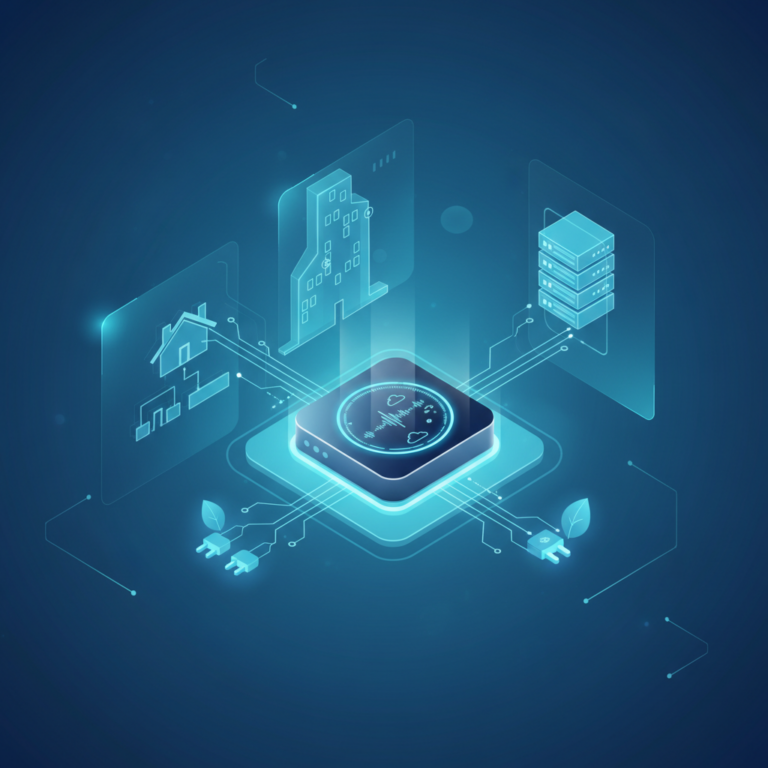
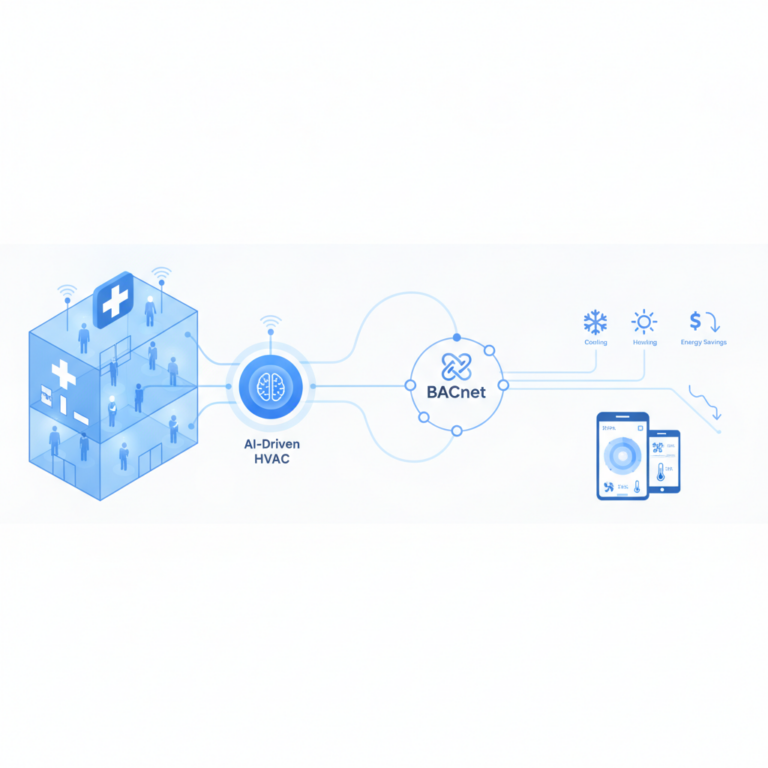
Operating at the edge, a Virtual PLC can instantly interpret diverse industrial protocols like BACnet/IP, Modbus TCP, OPC UA, and SNMP. Simultaneously, it connects to modern compute assets via Redfish, IPMI, and proprietary BMC APIs. This dual-stack visibility allows facility engineers to adjust cooling setpoints or switch power paths dynamically based on real-time server telemetry.
Because these platforms layer over existing infrastructure, they eliminate the need for a risky, capital-intensive “rip-and-replace” strategy. Operators can gradually modernize colocation, edge, and modular facilities, bringing lease-ready AI capacity online in a matter of days.
Scaling Brownfield Modernization with Cloud Ecosystems
While edge-level integration is critical for rapid deployment, managing a growing portfolio of modernized brownfield sites requires centralized orchestration. Connecting these high-density nodes to a secure, cloud-based platform ensures that operational efficiency scales across the entire enterprise.
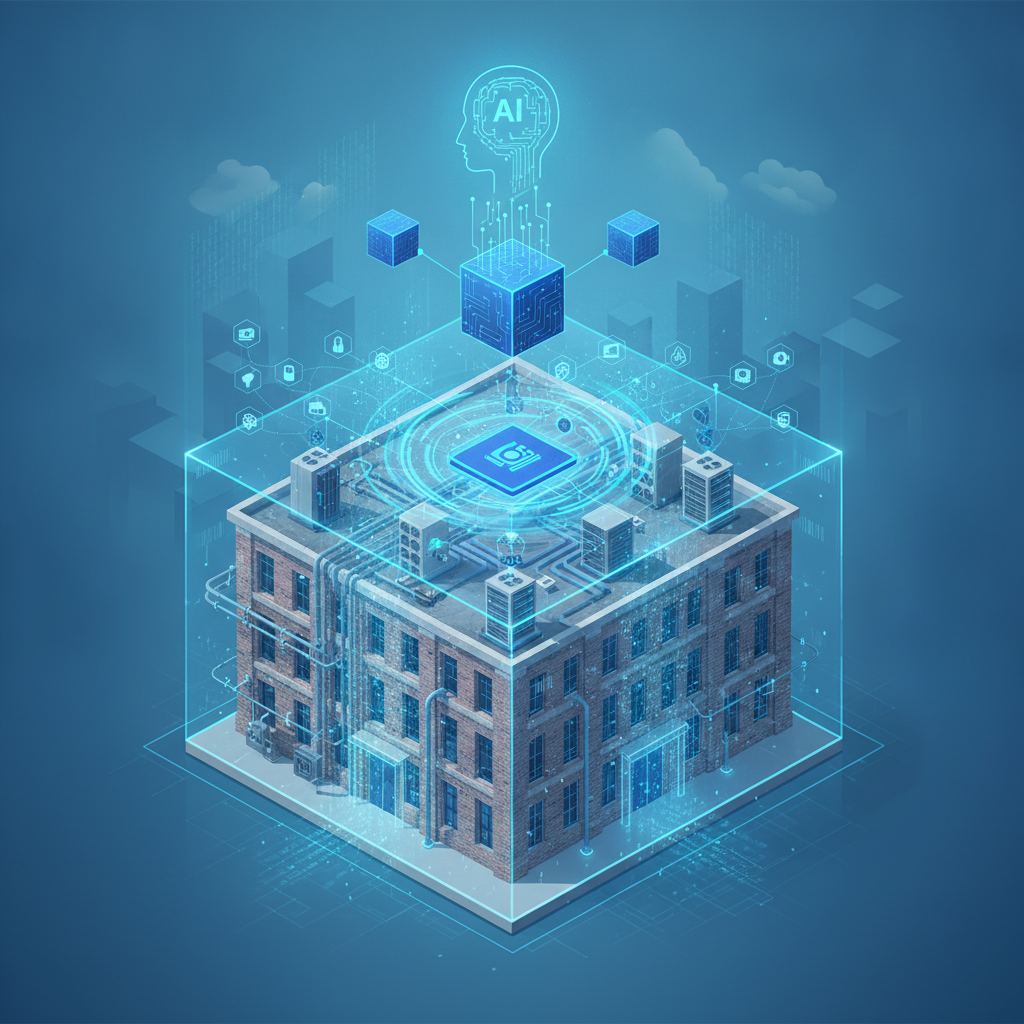
This is where BAaaS.io excels. The Building Automation as a Service platform provides a specialized cloud ecosystem for managing and optimizing commercial real estate and critical facilities. By leveraging the real-time telemetry unlocked by edge devices, BAaaS.io creates an integrated building information sphere that bridges the gap between local control and global oversight.
With BAaaS.io, operators gain automated environmental adjustments, proactive predictive maintenance, and robust role-based access control. As legacy equipment ages in these brownfield sites, the platform’s ability to detect mechanical anomalies early allows maintenance teams to service chillers and CRAH units long before critical AI workloads are jeopardized.
Conclusion
The data center industry is shifting toward highly pragmatic, software-driven approaches to capacity expansion. With new construction facing significant macroeconomic and regulatory headwinds, brownfield modernization is no longer just a fallback plan—it is a strategic necessity for survival.
Technologies like Virtual PLCs and comprehensive cloud orchestration platforms are the linchpins of this evolution. By breaking down the silos between OT and IT, ensuring robust ICS security, and deploying intelligent platforms like BAaaS.io, operators can rapidly activate existing infrastructure and secure a massive competitive advantage in the AI era.