Daikin Unveils Nexio Max: A Cold-Climate Rooftop Heat Pump Primed for Smart Building Integration
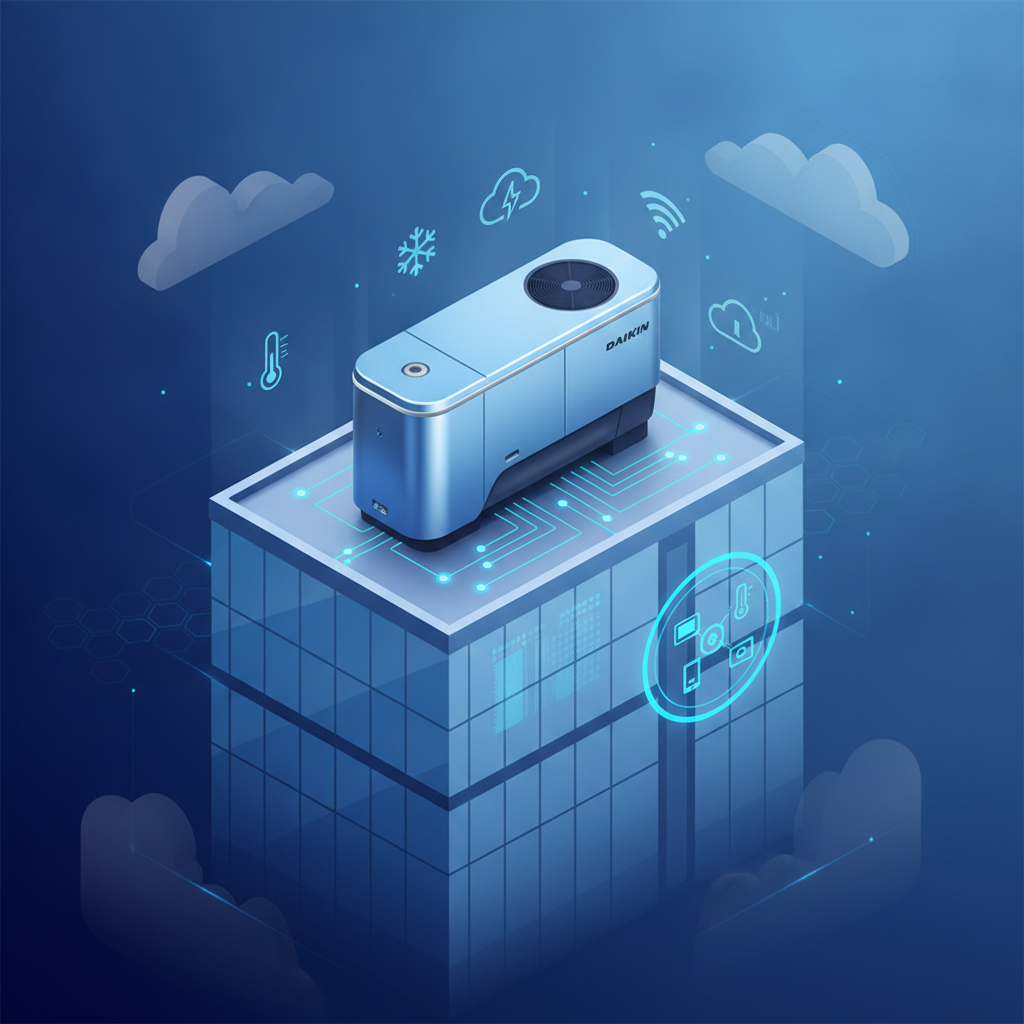
The drive toward commercial building electrification has just received a significant boost. Daikin Comfort Technologies North America recently launched the Nexio Max, an inverter-driven packaged rooftop heat pump designed specifically to meet the rigorous demands of modern light commercial buildings. By combining a variable-speed scroll compressor with next-generation R-32 refrigerant, this new lineup directly targets the growing necessity for high-efficiency, low-emission HVAC solutions.
For building automation architects and facility managers, the introduction of the Nexio Max represents more than just a hardware upgrade. It bridges the gap between robust mechanical performance in extreme climates and the demand for deep integration with smart building ecosystems. Available in 7.5-ton, 8.5-ton, and 10-ton cooling capacities, this unit is engineered to serve as a cornerstone for sustainable commercial real estate.
Electrification Meets Cold-Climate Reliability
One of the historical hurdles for commercial heat pump adoption has been inconsistent heating performance in freezing temperatures. Daikin addresses this directly with the Nexio Max, which is capable of operating in ambient temperatures as low as -25 C. Remarkably, it maintains 85% of its rated heating capacity at -10 C.
This low-ambient performance is achieved through its single inverter-driven scroll compressor and optimized thermal design. By utilizing difluoromethane (R-32) refrigerant, which carries a significantly lower global warming potential (GWP) than legacy hydrofluorocarbons, the system effectively aligns with modern ESG targets while ensuring occupants remain comfortable during harsh winter conditions.
For facility owners, this means true year-round electrification is viable without relying on fossil-fuel backup systems, drastically reducing a facility’s Scope 1 emissions.
Uncompromising Efficiency and Airflow Dynamics
Energy optimization is at the core of the Nexio Max design. Depending on the model, it delivers a highly competitive Integrated Energy Efficiency Ratio (IEER) between 21.0 and 22.0, alongside a coefficient of performance (COP) reaching up to 3.85 at 8.3 C. Even in sub-zero conditions (-8.3 C), the unit maintains a respectable COP of 2.5.
This efficiency is driven by variable-speed technology applied across the board. The system utilizes two variable-speed condenser fan motors and a direct-drive indoor blower capable of operating between 300 rpm and 1,600 rpm. This granular control allows the HVAC system to perfectly match building load requirements, minimizing the rapid cycling that typically degrades equipment lifespan and inflates utility bills.
Additionally, with standard-airflow models supporting external static pressures up to 1.4 in. w.c. and high-static versions pushing up to 2.0 in. w.c., the unit offers the aerodynamic flexibility required for complex duct layouts in commercial spaces.
Streamlining Commercial Retrofits
Capital expenditure and installation downtime are primary concerns in commercial upgrades. Daikin has strategically engineered the Nexio Max to match common rooftop equipment footprints. This design choice allows mechanical contractors to reuse existing roof curbs and duct connections in many retrofit scenarios, entirely bypassing the need for expensive and leak-prone curb adapters.
Furthermore, factory-wired electrical connections and an open-access cabinet design simplify both the initial commissioning and ongoing service lifecycles. By reducing installation friction, building owners can more rapidly deploy these systems, accelerating their return on investment through immediate energy savings.
Native BACnet Integration for Advanced Automation
From an Industrial IoT perspective, mechanical efficiency is only half the equation; intelligent control is the other. The Nexio Max comes standard with single-zone variable air volume (VAV) operation and features native BACnet integration, making it seamlessly compatible with modern building automation systems (BAS).
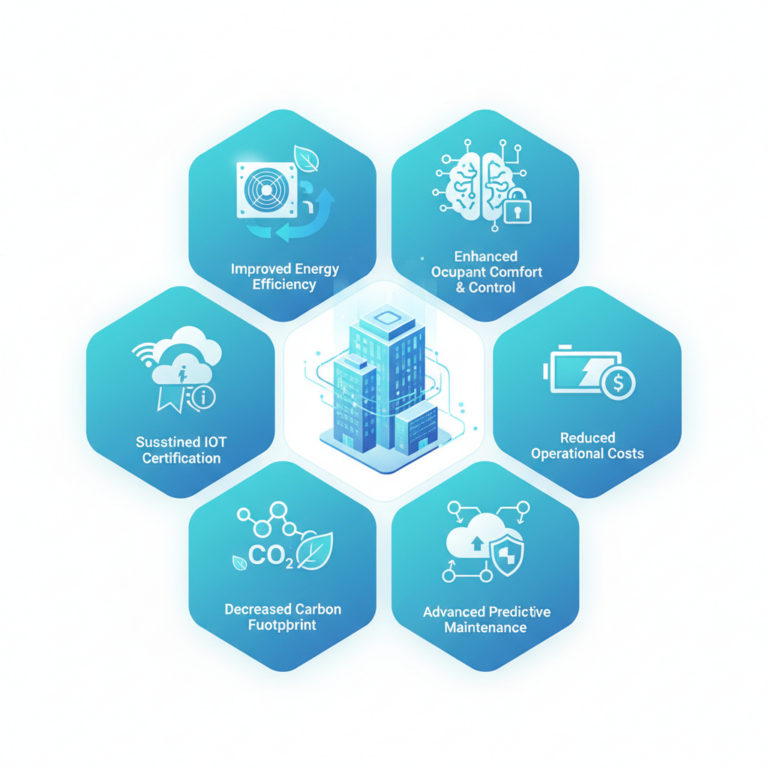
This native connectivity is where a platform like BAaaS.io transforms a highly efficient heat pump into a truly intelligent building asset. By ingesting the rich telemetry provided by the Nexio Max via BACnet, BAaaS.io provides a centralized control ecosystem. Facility operators can automate environmental adjustments based on real-time occupancy data, optimizing energy use and significantly reducing the building’s carbon footprint.
Moreover, integrating these inverter-driven rooftop units into a cloud-based management platform enables proactive maintenance. By monitoring compressor speeds, blower rpms, and fault codes in real-time, operators can schedule service before a minor anomaly escalates into a costly mechanical failure.
Conclusion
The launch of the Daikin Nexio Max marks a critical step forward for light commercial HVAC technology. By marrying cold-climate heat pump reliability with inverter-driven efficiency and native BACnet interoperability, it delivers exactly what the market requires for large-scale building electrification.
As commercial spaces continue to evolve, the true value of these mechanical innovations will be unlocked through data. Pairing advanced rooftop units with comprehensive building automation platforms ensures that physical infrastructure not only meets sustainability goals but also actively enhances occupant comfort and operational efficiency.