
Bridging BACnet and Enterprise IoT: Inside the ABB and Samsung Smart Building Partnership
The convergence of industrial control systems (ICS) and consumer-friendly enterprise IoT is accelerating, fundamentally changing how we manage commercial real estate. In a major move for the building automation industry, ABB and Samsung Electronics have announced a strategic integration between ABB Ability™ BuildingPro and the Samsung SmartThings Pro ecosystem.
By bridging deep, field-level protocols with intuitive cloud platforms, this partnership aims to redefine the occupant experience. From energy optimization to streamlined facility management, integrating these two powerhouses paves the way for the next generation of truly intelligent smart buildings.
Breaking Down IT/OT Silos with Protocol Integration
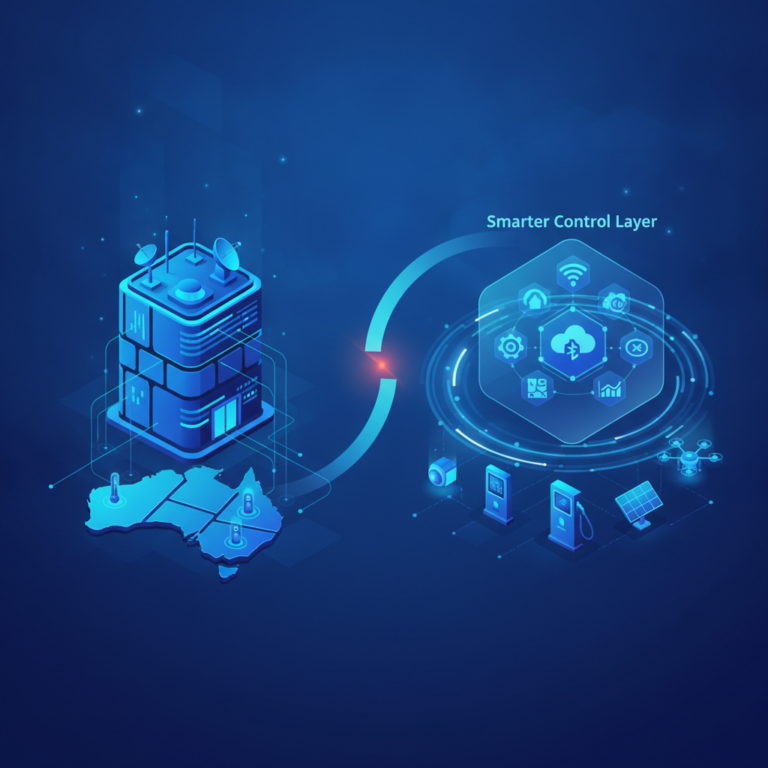
Historically, commercial building automation systems (BAS) operated in isolated operational technology (OT) environments. The ABB and Samsung partnership tackles this challenge head-on by leveraging BuildingPro Edge to seamlessly bridge field-level protocols—specifically BACnet, KNX, and Modbus—directly into enterprise IT workflows.
Through a secure cloud-to-cloud connection between BuildingPro Suites and SmartThings Pro, facility managers gain unprecedented visibility. This unified architecture translates complex operational data into actionable insights for lighting, HVAC, and energy metering, all within a familiar digital environment.
Optimizing Commercial Portfolios and Energy Efficiency
Building owners face immense pressure to meet stringent sustainability goals while managing complex, distributed property portfolios. Disconnected systems make this nearly impossible, often resulting in massive energy waste, blind spots in telemetry, and high operational overhead.
This newly unified platform gives operators a centralized dashboard for climate control, shading, access security, and presence detection. When energy monitoring is tied directly to real-time occupancy data, commercial spaces can dynamically scale HVAC and lighting, drastically reducing their carbon footprint.
However, scaling such intricate ecosystems across massive portfolios requires a robust operational backbone. This is exactly where platforms like BAaaS.io excel. By offering Building Automation as a Service, BAaaS.io provides the centralized control and real-time telemetry necessary to securely manage this new era of integrated building information spheres.
Revolutionizing the Hospitality Experience
One of the most compelling applications of this integration targets the hospitality sector. Utilizing ABB i-bus® KNX and NETxAutomation, hotels can natively integrate their guest room controls directly into the Samsung SmartThings Pro ecosystem.
This empowers guests to personalize their room climate, shading, and entertainment directly from their own smartphones—eliminating the friction of downloading custom, clunky hotel applications. It’s a seamless blend of tenant comfort and digital convenience.
Behind the scenes, the system’s occupancy-based energy management automatically scales down HVAC and lighting when rooms are empty. This ensures that premium occupant comfort does not come at the expense of operational efficiency or sustainability.
Navigating ICS Security in a Cloud-Connected World
While the convergence of BACnet networks and enterprise IoT unlocks immense value, it undeniably expands a facility’s attack surface. Connecting critical OT infrastructure to cloud ecosystems requires stringent ICS security protocols to prevent lateral network breaches.
Building owners must prioritize robust access control, data encryption, and network segmentation. Secure cloud-to-cloud integrations are foundational, but deploying role-based access and zero-trust architectures remains non-negotiable when physical building systems are online.
Specialized ecosystems like BAaaS.io inherently support these critical security postures. By providing built-in authentication, role-based access, and proactive maintenance alerts, operators can safely leverage cloud integrations without compromising building safety or data integrity.
Conclusion: The Future of Unified Building Operations
The strategic alliance between ABB and Samsung marks a pivotal shift in building automation. By rolling out this technology in real-world proof-of-concept sites across Germany, the Netherlands, and Denmark throughout 2026, the industry will soon see the tangible ROI of bridging deep OT protocols with enterprise IoT.
The days of fragmented facility management are numbered. As building intelligence and user experience merge into a single connected ecosystem, operators who embrace centralized, secure platforms will lead the charge in operational efficiency, sustainability, and tenant satisfaction.